Recovering what wastewater hides.
ReWAdd develops integrated photo-bio-electrochemical and membrane processes to recover high-value compounds from wastewater — with minimal chemical addition and maximum circularity.
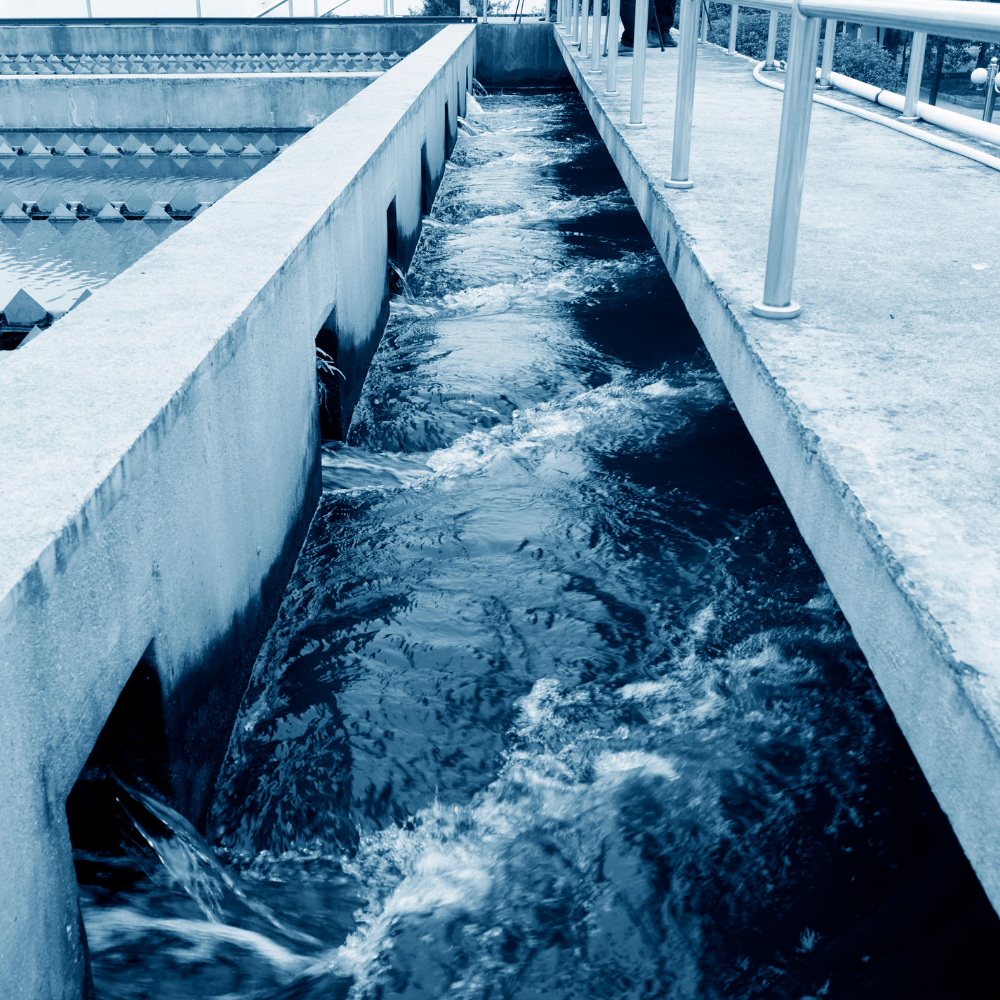
Wastewater is not just something to be cleaned. It is a resource we have not learned to use.
Millions of metric tons of phosphorus and nitrogen are embedded in wastewater every year.
Phosphorus supply is limited and has been classified as critical raw material by the EU.
Nitrogen fixation through the Haber-Bosch process is energy-intensive and generates significant CO2 emissions.
Meanwhile, many water bodies are polluted with pharmaceuticals, pesticides and other contaminants of emerging concern.
In ReWAdd, we are confident that there are ways to do it better.
From waste streams to added-value goods
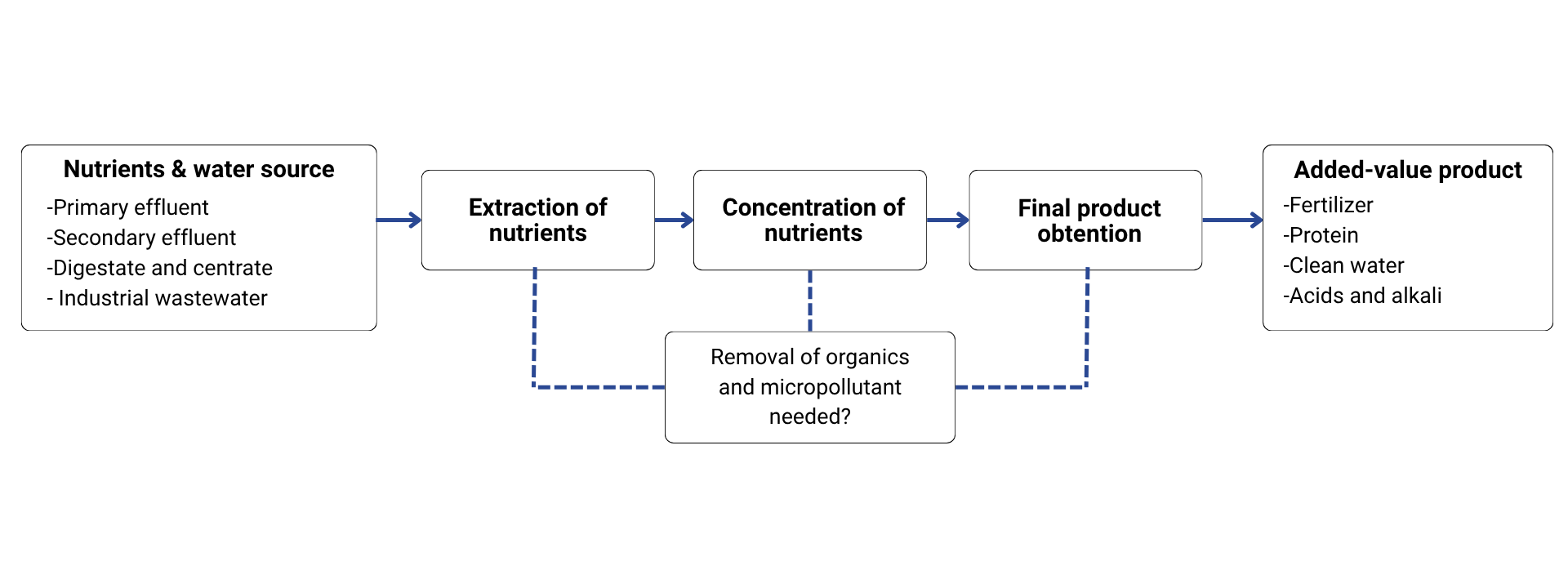
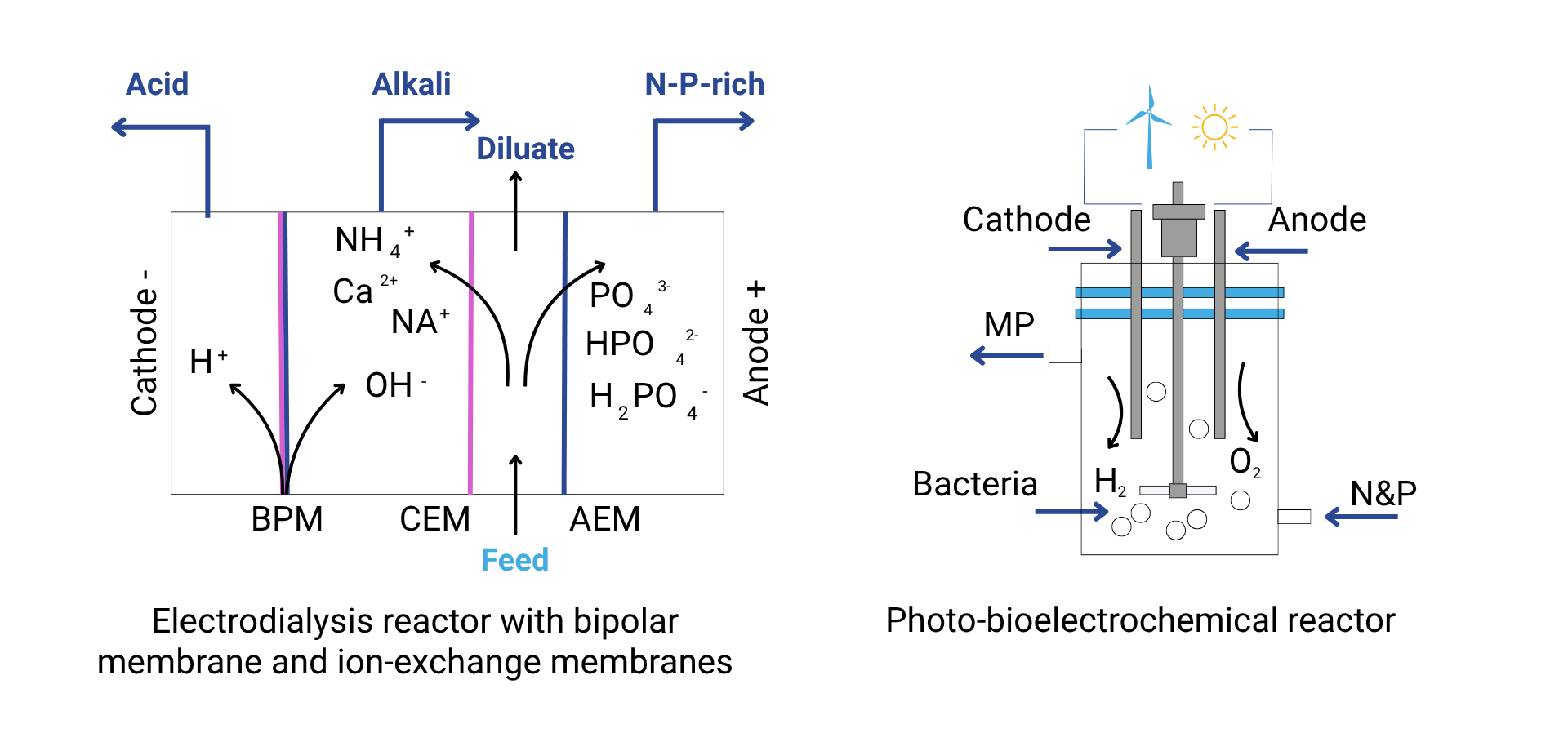
ReWAdd aims at transforming nutrient-rich wastewater into marketable added-value products combining electrochemical, photochemical, biological and membrane processes.
Different water sources are considered with the same goal: minimum chemicals in, maximum value out.
What we set out to achieve
SO1
Develop integrated process schemes to extract, concentrate and transform nutrients into marketable added-value products.
SO2
Ensure the destruction of contaminants of emerging concern (CECs) to prevent their accumulation in the water cycle.
SO3
Design processes with minimal or absent chemical addition and minimal secondary waste generation, maximising the circularity of wastewater treatment.
The ultimate aim: a new generation of wastewater treatment plants that, in addition to water and sludge lines, incorporate full nutrient recovery and valorisation lines.
How ReWAdd works
The ReWAdd process integrates multiple treatment technologies to extract, concentrate and transform nutrients into valuable products.
ReWAdd & Water4All
ReWAdd is part of the Water4All Partnership — a European research programme bringing together 90 partners from 33 countries to tackle water challenges and advance water security for the long term.
The project was selected in the 2024 Joint Transnational Call on ‘Water for Circular Economy’, alongside 26 other projects across Europe and internationally. ReWAdd
contributes directly to Water4All’s mission by demonstrating how circular economy
principles can be applied to wastewater treatment at industrial and urban scale.